

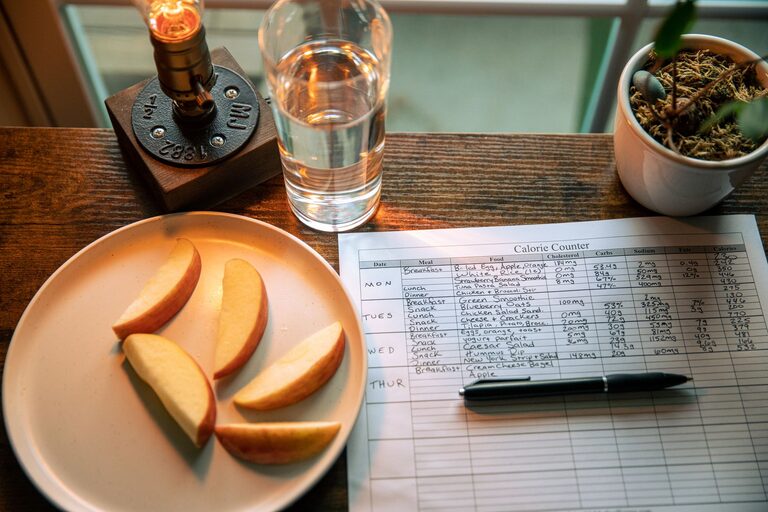
Planning balanced meals doesn’t have to be complicated or overwhelming. With a few simple strategies, you can create meals that are nutritious, satisfying, and easy to prepare. Whether you’re cooking for yourself, your family, or hosting friends, balanced meals help keep energy levels steady and support overall well-being.
In this post, we’ll explore practical tips to plan balanced meals without stress, including how to choose ingredients, organize your week, and make meal prep a breeze.
What Is a Balanced Meal?
A balanced meal typically includes a good mix of macronutrients:
– Protein — helps repair tissues and keeps you full
– Carbohydrates — provide energy, ideally from whole grains and vegetables
– Healthy Fats — support brain health and hormone function
– Fiber and Micronutrients — from fruits, vegetables, and whole foods, important for digestion and overall health
A plate with these components in reasonable portions offers the nutrients your body needs for sustained energy and wellness.
Step 1: Understand Your Plate Portions
One of the easiest methods to plan balanced meals is the “plate method.” Visualize your plate divided into sections:
– Half the plate filled with vegetables and fruits
– One quarter with lean protein like chicken, fish, beans, or tofu
– One quarter with whole grains such as brown rice, quinoa, or whole-wheat pasta
Adding a small amount of healthy fat, like olive oil or avocado, completes the meal.
This simple visual guide helps you avoid over- or under-eating certain food groups.
Step 2: Plan Your Meals for the Week
Meal planning reduces last-minute stress and helps create better food choices. Here is a straightforward approach:
- **Choose 3-4 main proteins** to rotate through the week (e.g., chicken breasts, lentils, salmon, eggs).
- **Pick 2-3 vegetables** you enjoy and can easily vary (e.g., broccoli, carrots, bell peppers).
- **Select 2-3 grains or starches** you like for variety (e.g., quinoa, potatoes, brown rice).
- **Add fruit** for snacks or dessert.
Write these down or use a planner app to draft simple meal ideas, mixing and matching your chosen ingredients for each day.
Step 3: Grocery Shopping Made Easy
Having a list based on your meal plan saves time and helps you avoid unnecessary impulse buys. Tips for efficient shopping:
– Stick to the perimeter of the store for fresh produce, dairy, and meats.
– Choose seasonal fruits and vegetables—they’re often more affordable and flavorful.
– Buy pantry staples like canned beans, whole grains, and nuts in bulk.
– Don’t forget herbs and spices—they add flavor without extra calories.
If you prefer, try online grocery shopping or delivery services to make the process smoother.
Step 4: Simple Meal Prep Strategies
Meal prep doesn’t have to be a big project. Even small steps can reduce daily effort:
– Wash and chop vegetables right after shopping so they’re ready to use.
– Cook grains in batches to use throughout the week.
– Prepare proteins ahead by baking or grilling and refrigerate or freeze portions.
– Use versatile recipes like stir-fries, salads, or sheet pan meals that combine your ingredients quickly.
Set aside 30-60 minutes once or twice a week to prep. This can save time on busy days and make healthy eating more accessible.
Step 5: Keep Meals Interesting but Simple
Variety helps ensure you get a range of nutrients and keeps meals exciting. Ways to add variety:
– Experiment with different herbs and spices.
– Try various cooking methods: roasting, steaming, grilling, or sautéing.
– Incorporate different colored vegetables to increase nutrient diversity.
– Swap grains and proteins occasionally.
Remember, meals don’t have to be complicated or gourmet to be balanced and enjoyable.
Step 6: Listen to Your Body
Balanced meals should leave you satisfied, energized, and comfortable, not overly full or hungry soon after eating. Pay attention to hunger cues and adjust portions or food choices as needed.
It’s okay to treat yourself occasionally; balance is about overall patterns rather than perfection at every meal.
Tips for Eating Balanced Meals on the Go
– Pack portable snacks with protein and fiber, like nuts and fruit.
– Choose balanced options from restaurants—look for meals with veggies, lean protein, and whole grains.
– Carry a reusable water bottle to stay hydrated.
Final Thoughts
Planning balanced meals without stress is achievable with a little organization and simple habits. Start by understanding portion sizes, planning a basic weekly menu, shopping smartly, and prepping what you can. With time, these steps become second nature and help you maintain a healthy lifestyle effortlessly.
Remember, the goal is to nourish your body while enjoying your meals and minimizing stress in the kitchen. Here’s to happy, healthy eating!